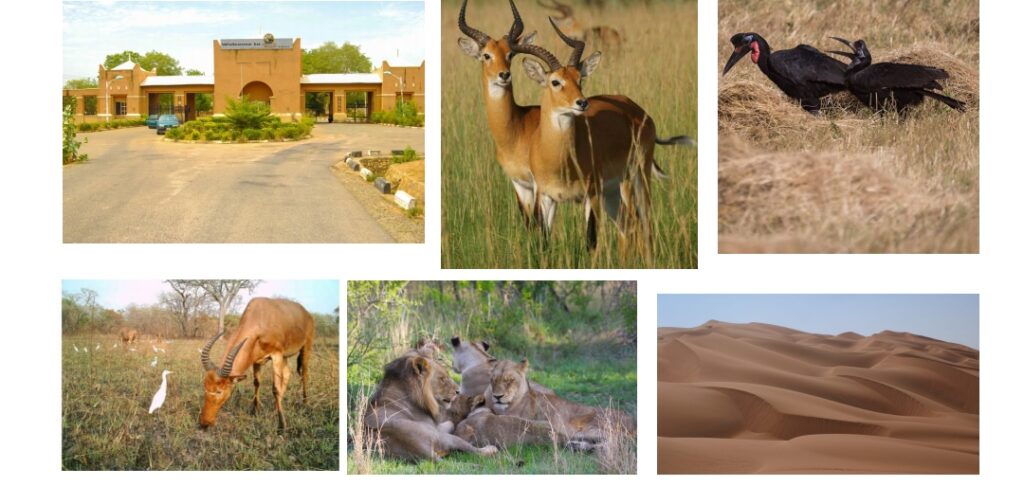
Nigeria is home to a diverse range of ecosystems, preserved within its network of national parks. These parks serve as important tools for biodiversity conservation, climate regulation, tourism, and cultural preservation. Despite their value, national parks remain underdeveloped and underutilized in contributing to Nigeria’s socio-economic growth. This paper examines the major national parks in Nigeria, highlights their unique features, and explores strategies for unlocking their full potential in promoting sustainable national development.
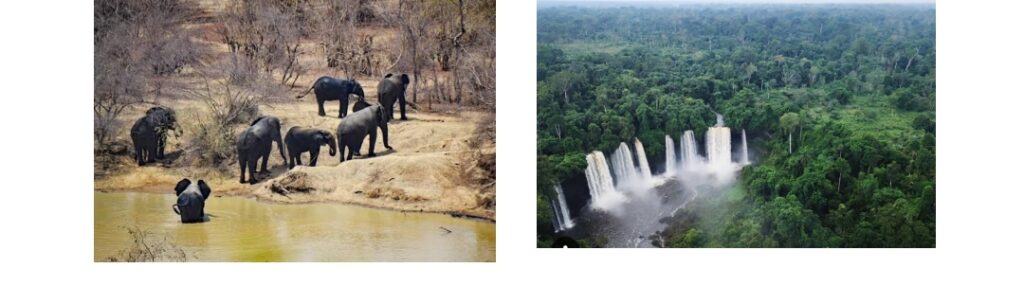
National parks are designated areas aimed at preserving the natural environment, promoting wildlife conservation, and encouraging eco-friendly recreation. In Nigeria, there are nine officially recognized national parks, each with unique ecological and cultural characteristics. These parks collectively represent the country’s rich biodiversity and serve as platforms for conservation, tourism, education, and community development. However, challenges such as inadequate infrastructure, insecurity, poor funding, and low public awareness hinder their effectiveness. This paper provides an overview of these parks and suggests actionable ways to develop them into assets for national growth.
Overview of National Parks in Nigeria
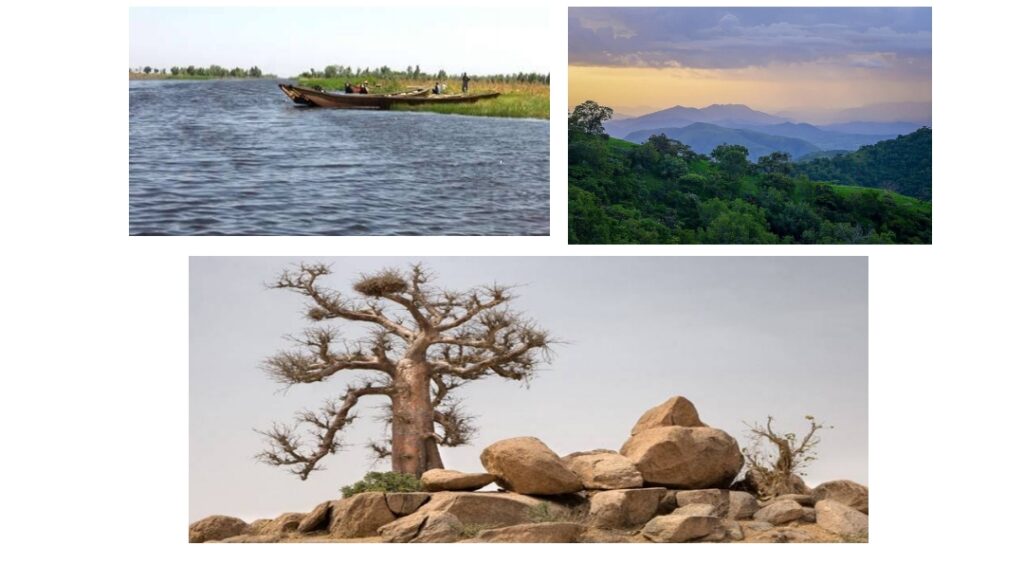
- Chad Basin National Park – Located in Borno and Yobe States, made up of wetlands, sand dunes, and savannah. A sanctuary for migratory birds, ideal for birdwatching and wildlife photography.
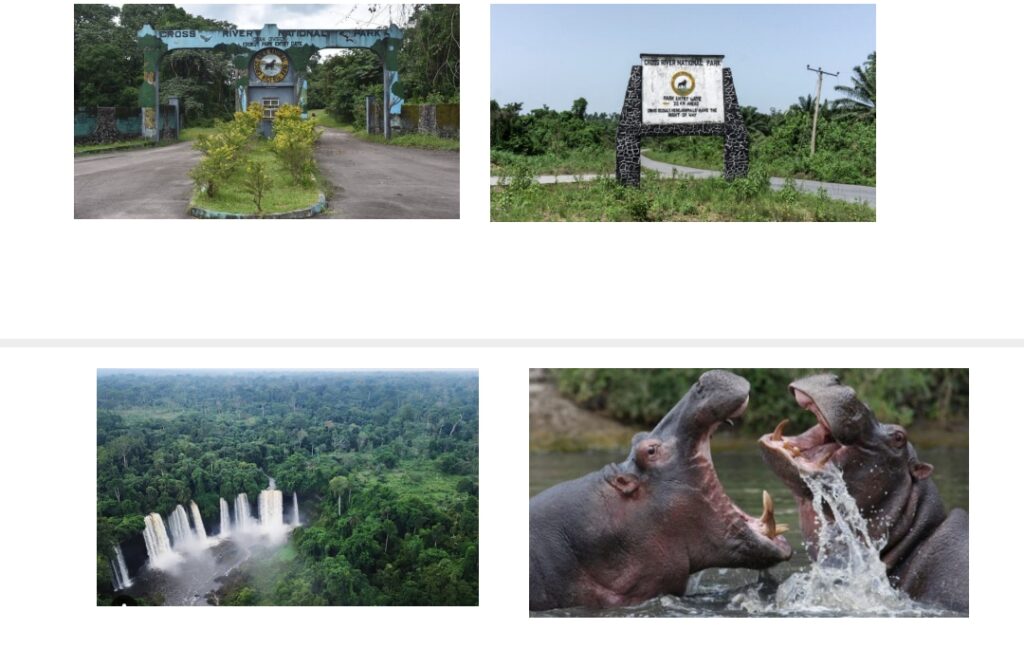
- Cross River National Park – In Cross River State, contains some of the oldest rainforests in Africa, home to the endangered Cross River gorilla, chimpanzees, and rare plant species.
- Gashaka Gumti National Park – Spanning Taraba and Adamawa States, the largest in Nigeria with montane forests, river valleys, and savannahs, known for beauty and ecological diversity.
- Kainji Lake National Park – In Niger and Kwara States, comprising Borgu and Zugurma sectors, including parts of Kainji Lake, suitable for safari tours and camping.
- Kamuku National Park – Located in Kaduna State with savannah grasslands, scenic hills, and woodlands; ideal for hiking and birdwatching.
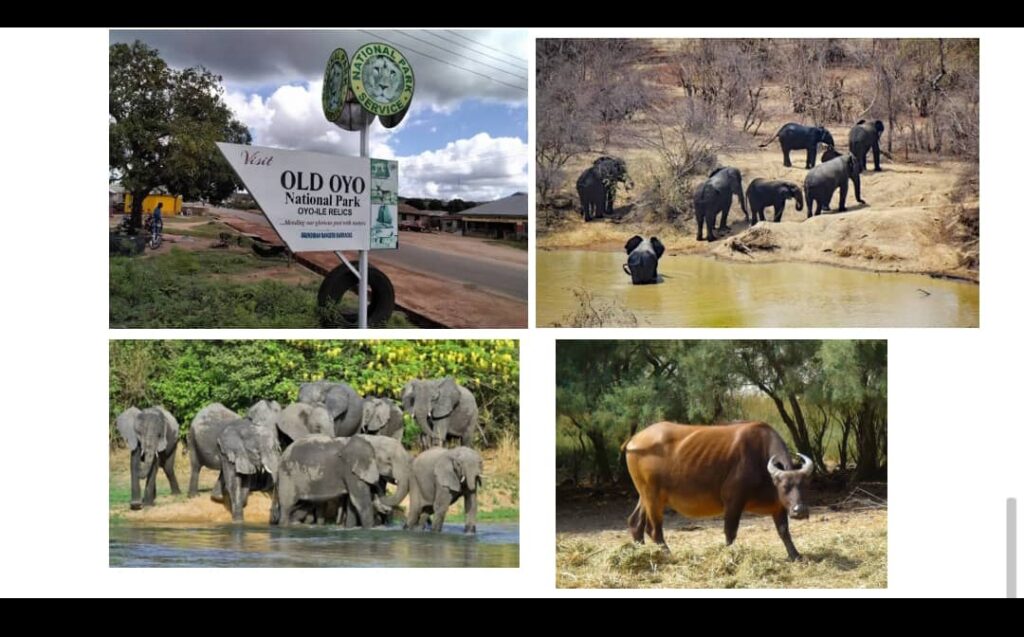
- Old Oyo National Park – In Oyo State, contains historical remains of the Old Oyo Empire and wildlife such as elephants and buffaloes.
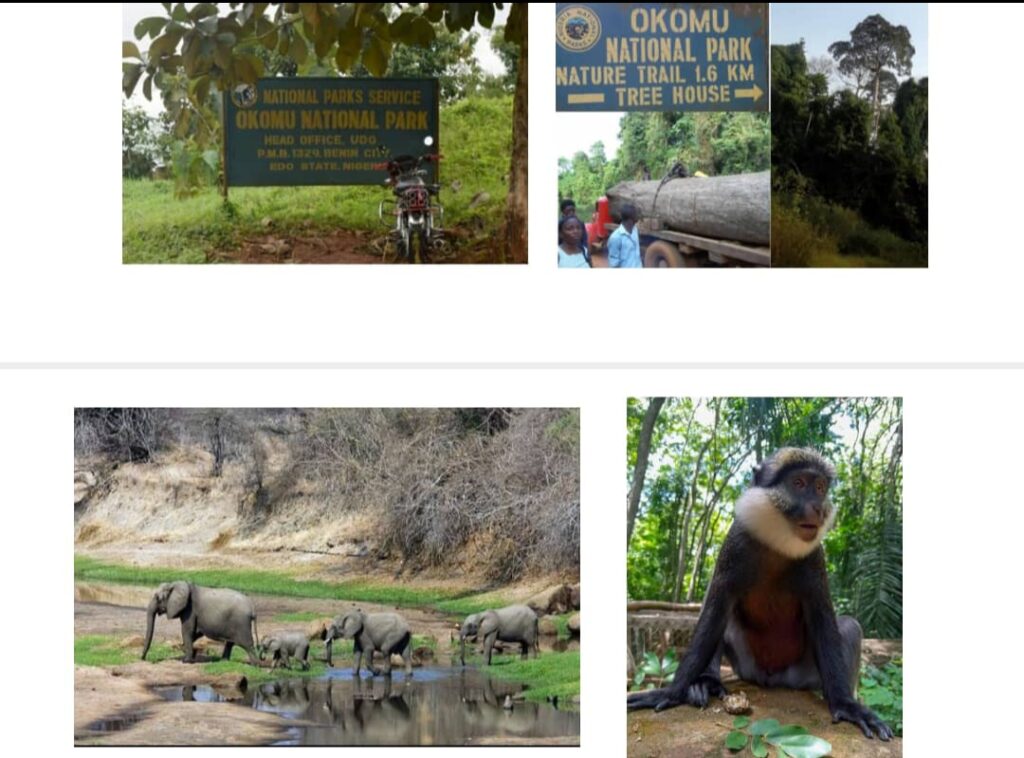
- Okomu National Park – In Edo State, a rainforest reserve with endangered species like forest elephants and white-throated monkeys.
- Yankari National Park – In Bauchi State, Nigeria’s most popular park, famous for its large elephant population and the warm Wikki Springs.
- Oba Hills National Park – In Osun State, known for rocky hills, forests, and savannah vegetation; perfect for nature walks, hiking, and birdwatching.
There are challenges facing Nigeria’s National Parks
Despite their significance. They are:
Poor infrastructure such as bad roads and lack of tourist facilities,security threats, especially in conflict-prone regions,limited government funding and weak private investment,low public awareness and environmental education and poaching, deforestation, and illegal grazing within park boundaries.
These challenges restrict the parks’ contribution to economic and environmental development.
To transform Nigeria’s national parks into engines of development, the following strategies can be adopted:
- Development of Eco-Tourism – Invest in lodges, guided tour systems, and transport access to attract tourists. Parks like Yankari, Cross River, and Gashaka Gumti can become major hubs for job creation and revenue generation.
- Public-Private Partnerships (PPP) – Engage private investors through incentives and joint ventures to reduce government financial burden and bring innovation into park management.
- Community Engagement – Train and employ local communities in tour guiding, security, hospitality, and crafts. Revenue-sharing models can benefit communities and reduce illegal activities.
- Environmental Education and Research – Partner with universities and NGOs to make parks centers for conservation education, excursions, and scientific research.
- Enhanced Security and Law Enforcement – Use technology such as drones and cameras alongside trained rangers to curb poaching and illegal activities.
- Marketing and International Collaboration – Market parks globally to attract tourists and conservation donors; collaborate with UNESCO and WWF for technical and financial support.
In conclusion,Nigeria’s national parks represent immense but underutilized natural capital. With deliberate planning, investment, and community participation, these parks can become major contributors to national development. From tourism and conservation to job creation and cultural preservation, national parks have the potential to transform rural economies and enhance Nigeria’s global environmental reputation. As a country rich in biodiversity, Nigeria must take bold steps to preserve and profit from its natural heritage for both present and future generations.